Microsoft is finally taking a significant step toward making Windows 11 a truly cross-device operating system, enhancing the long-anticipated Resume feature that promises seamless continuity between Android devices and Windows PCs. This development positions Windows 11 as a more practical alternative to Apple’s ecosystem, which has long dominated the market with Handoff, AirDrop, and other continuity features.
The latest Windows 11 update, currently rolling out to insiders, expands the Resume feature’s capabilities, allowing users to switch between their Android smartphones and Windows PCs with broader app support. Previously limited in scope, the feature now integrates key productivity and media applications, enabling users to pick up tasks from one device and continue on another without interruption. Experts note that this is a major step in the Android integration for seamless productivity.
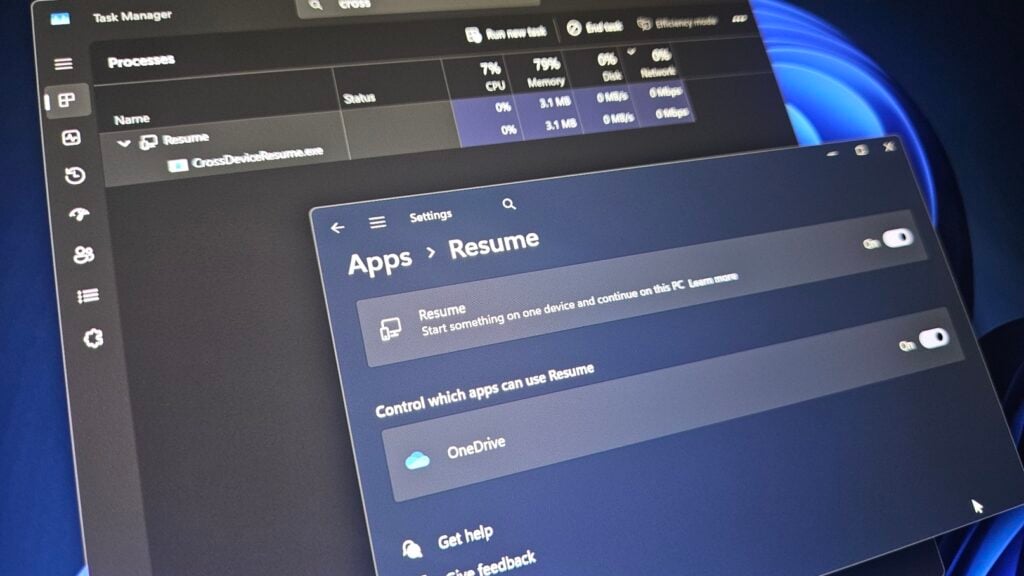
Sources at WindowsLatest report that Microsoft’s approach mirrors Apple’s Handoff system, which allows iPhone and Mac users to seamlessly transfer tasks across devices. However, unlike Apple’s rigid ecosystem, Windows 11 aims to open continuity to Android users, potentially bringing a wider audience into Microsoft’s ecosystem. Analysts highlight that this could redefine continuity with Android devices in a way Apple cannot match outside its hardware.
Technically, the Windows 11 Resume feature works by maintaining app state data in the cloud. When a user switches from Android to PC, the system retrieves the app session and restores it on the Windows device, allowing tasks such as document editing, media playback, or messaging to continue without loss of progress. Microsoft has been testing this functionality with key apps including Spotify, Microsoft Office, and third-party messaging platforms, a real-world example of how users can now resume your Android activities seamlessly.
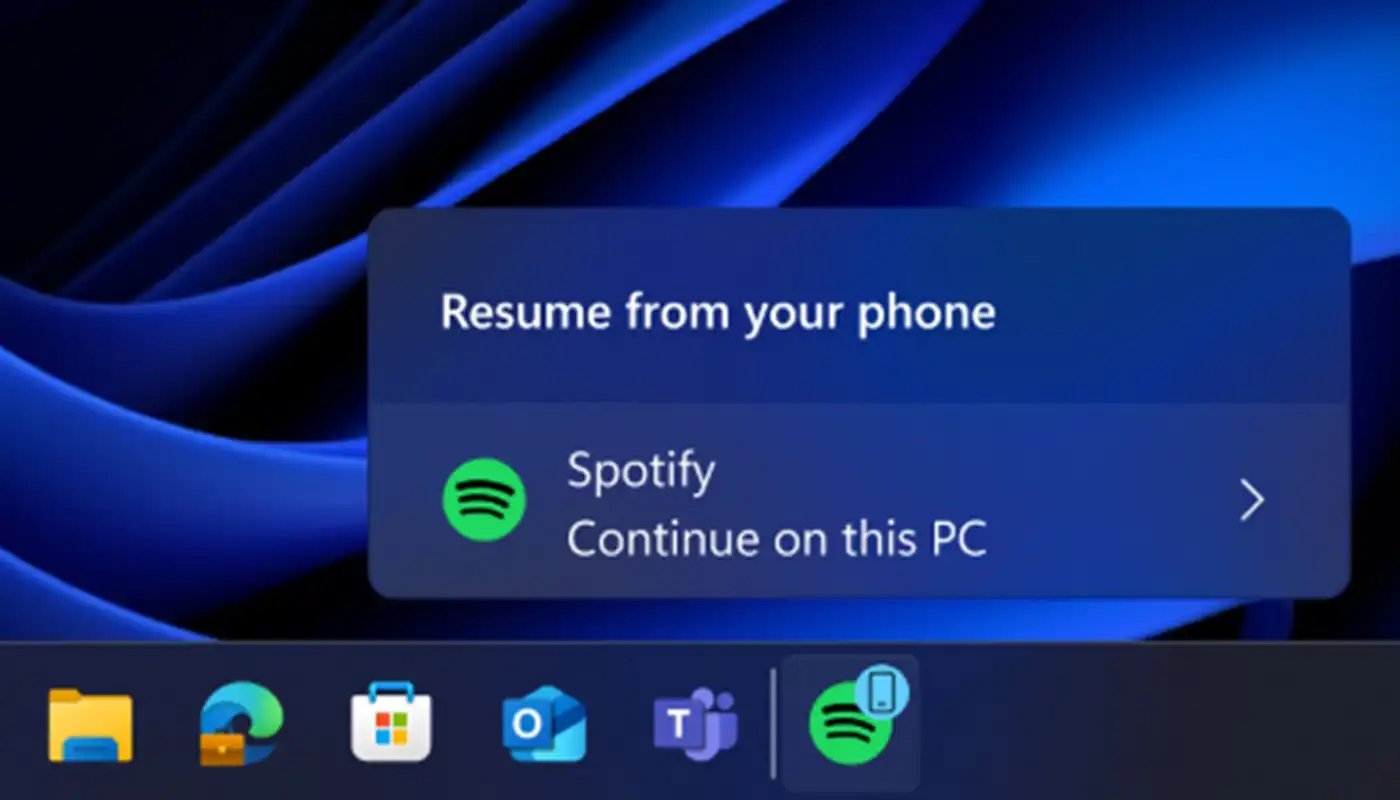
Windows 11’s improvements also address long-standing criticisms of the platform. Previous iterations of cross-device support were seen as underwhelming, offering minimal utility and limited app compatibility. By expanding the list of supported applications, Microsoft is responding directly to user demand and creating a compelling reason for Android users to consider Windows PCs as their primary productivity hub, showcasing the practical Windows 11 Resume feature usefulness.
Industry analysts suggest this move is part of Microsoft’s broader strategy to reclaim relevance in the consumer ecosystem, challenging Apple’s dominance and enticing Android users who seek the flexibility that iOS cannot provide. As noted by technology expert Paul Thurrott, “Windows 11 is finally thinking beyond its PC boundaries. Microsoft is no longer just about desktop OS, it’s about cross-device productivity in a way Apple can’t match outside its own hardware.”
The feature is currently available for Windows Insider program participants, with a wider rollout expected later this year. Microsoft is also reportedly exploring additional integrations with enterprise apps, indicating that the Resume functionality may extend beyond consumer productivity into business environments, further increasing the platform’s strategic importance. Observers note how this aligns with Android PC ecosystem competition trends.
Another under-the-radar improvement in Windows 11 is the refinement of the Resume feature within the OS itself. Previously, users could only resume certain tasks in a limited set of native apps. Microsoft now plans to extend this to more complex workflows, including multi-tab browser sessions, email drafts, and collaborative document editing. These enhancements make Windows 11 a more compelling choice for users who demand uninterrupted productivity, supported by cross-device login and productivity tools.
The broader implications of these updates are significant. By making Windows 11’s cross-device functionality more robust and accessible, Microsoft positions itself as a serious competitor in the ongoing battle for ecosystem supremacy. While Apple continues to leverage hardware lock-in and proprietary integration, Microsoft’s cross-platform approach could disrupt the status quo, especially for Android users seeking desktop parity without abandoning their mobile ecosystem.
Critics, however, argue that Microsoft’s delayed adoption of such features reflects a reactive strategy rather than true innovation. Apple has been offering Handoff, AirDrop, and continuity features for nearly a decade, while Windows 11 is only now catching up. Nevertheless, the expanded Resume feature represents a meaningful step forward, showing that Microsoft is finally listening to user demands for practical cross-device support, allowing users to resume Android apps on Windows 11.
For users eager to try the updated Resume feature, it is accessible through the latest Windows 11 Insider builds. Microsoft has emphasized that the company will continue to expand app support and refine functionality based on user feedback, making the platform more responsive to evolving productivity needs.
As Windows 11 strengthens its cross-device ecosystem, the industry is watching closely. The OS’s ability to integrate Android continuity without compromising user experience could redefine how millions approach their workflow, potentially drawing users away from Apple’s walled-garden ecosystem and toward a more open, flexible solution. Microsoft’s strategic bet on Windows 11 cross-device productivity is not just a feature upgrade, it’s a statement that the company is serious about redefining modern computing in a post-PC era.
In conclusion, Windows 11’s expanded Resume feature and Android integration mark a turning point for Microsoft, offering tangible benefits to users who demand seamless continuity. By bridging the gap between mobile and desktop experiences, Microsoft is challenging Apple’s long-held advantage in cross-device productivity and signaling a new era for Windows users worldwide.
Additionally, the company’s responsiveness to user demand shows a new level of agility in both feature development and global operations, reflecting broader trends in Microsoft corporate policy.