As the Russia Ukraine war enters its 1,427th day, the conflict shows no sign of de-escalation. Instead, it has hardened into a winter war of attrition shaped as much by Western strategic calculations as by developments on the battlefield. Russian forces have continued to strike Ukrainian energy and logistics infrastructure, while diplomatic efforts remain frozen under conditions largely set by Washington and its European allies.
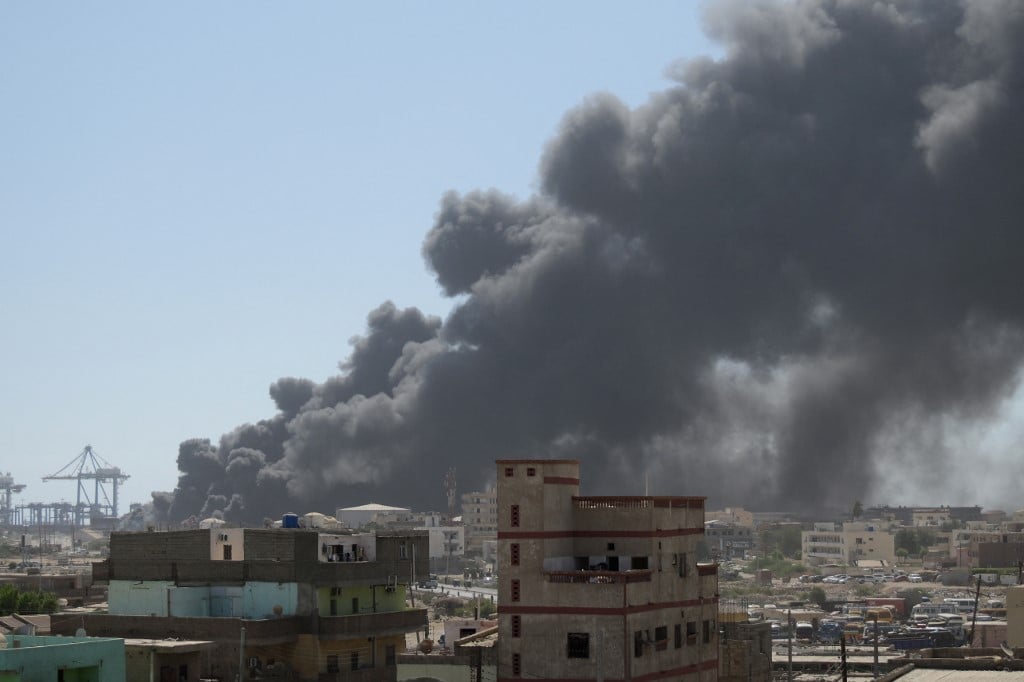
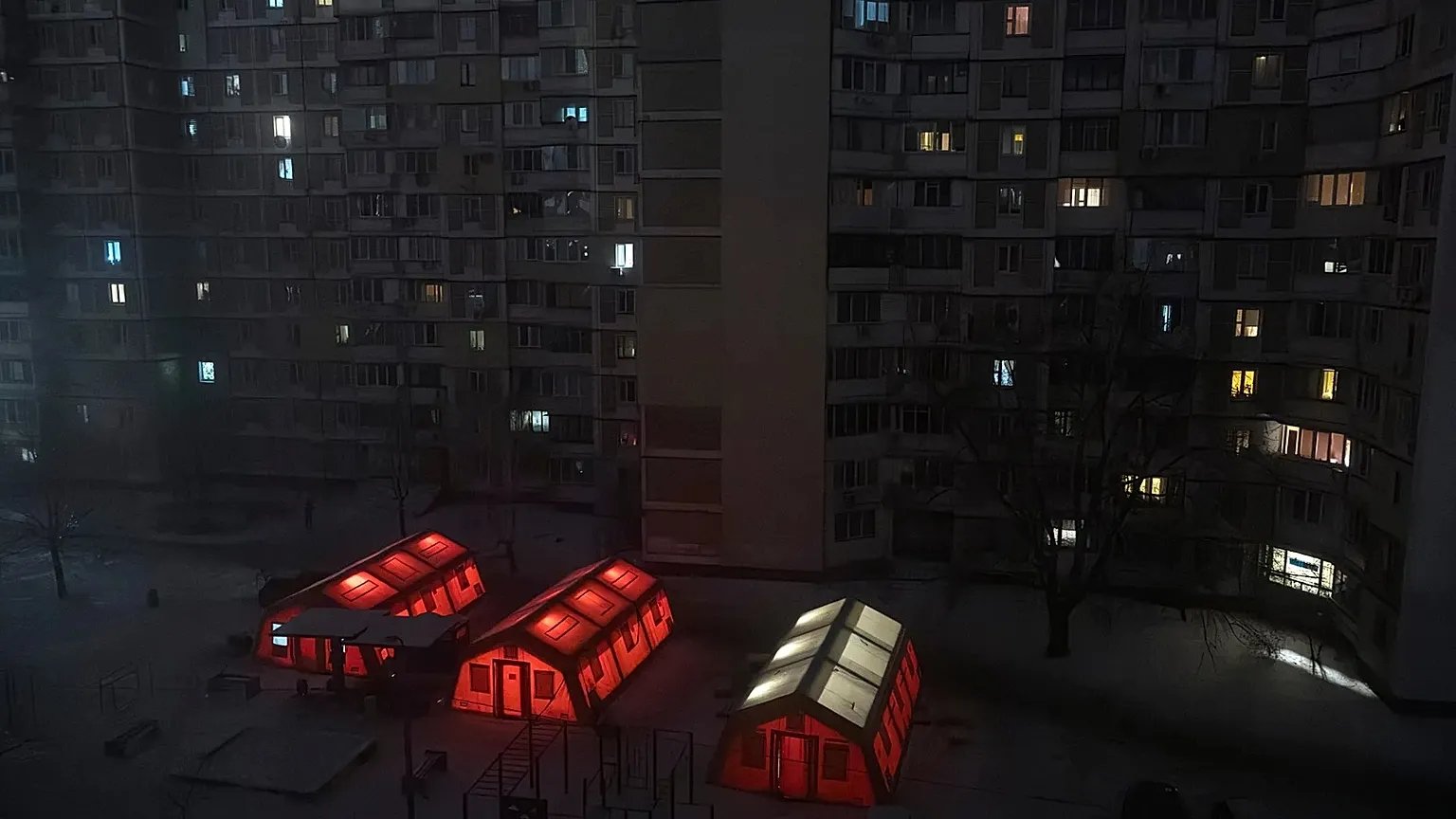
In the early hours of Tuesday, Russian missiles and drones struck multiple regions across Ukraine, including the Kyiv area and central industrial zones, triggering widespread power outages and crippling heating systems amid subzero temperatures. According to Reuters, nearly 60 percent of Kyiv was left without electricity, underscoring the vulnerability of Ukraine’s power grid during the harshest months of winter.
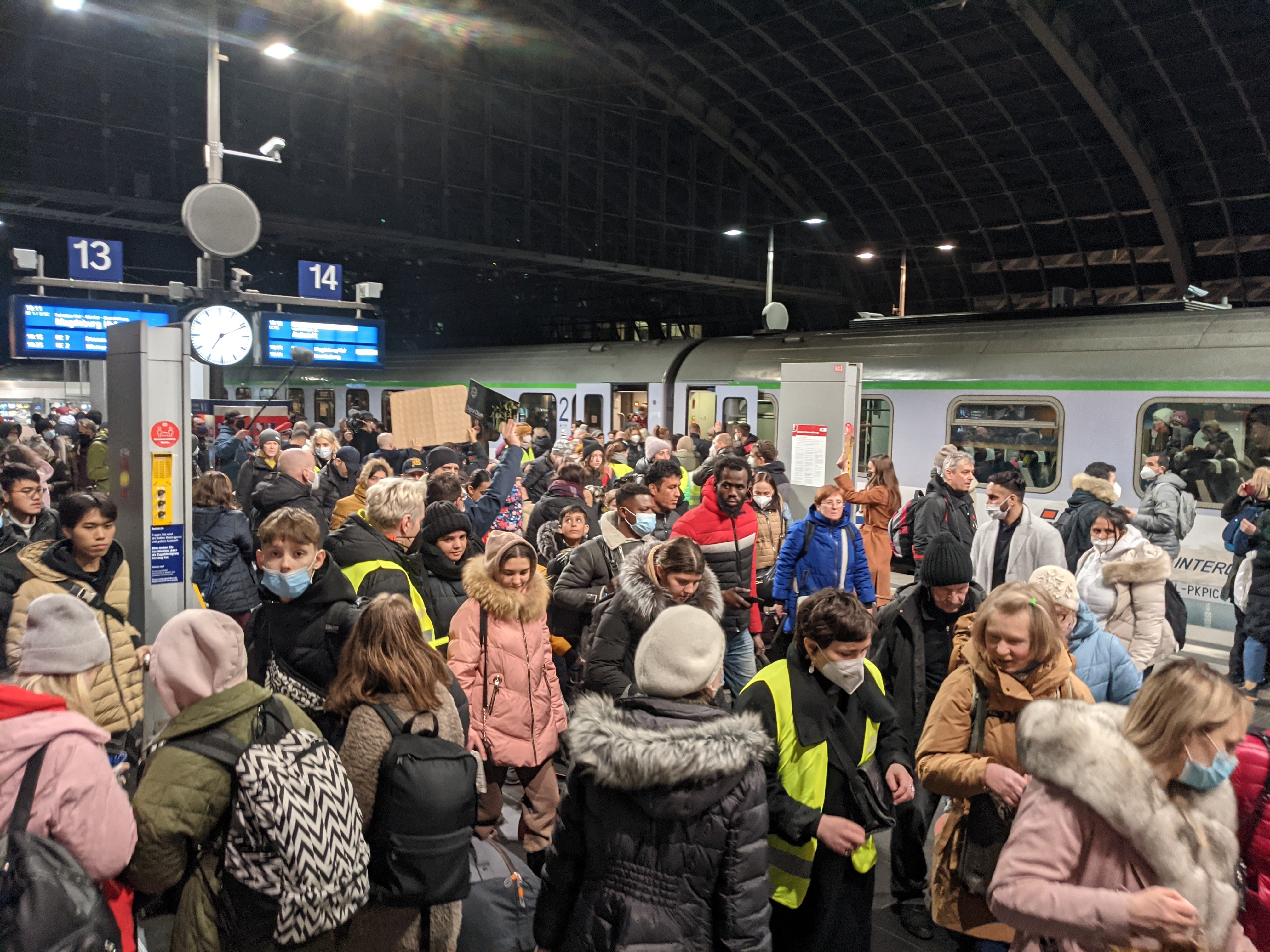
Emergency crews worked through the night to restore electricity, but Ukrainian officials warned that repeated strikes had pushed the grid to a critical breaking point. International aid agencies cautioned that prolonged outages could accelerate displacement, particularly among the elderly and families with young children.
These attacks, Moscow argues, are part of a campaign to degrade Ukraine’s military supply chains and dual-use infrastructure. Western governments, however, have framed the strikes exclusively as assaults on civilians, renewing calls for expanded sanctions and accelerated weapons deliveries. What remains absent from official Western statements is an acknowledgment of how the conflict’s trajectory has been shaped by years of security brinkmanship and the narrowing of diplomatic space.
The current phase of the war reflects a widening gap between battlefield realities and Western political messaging. While US and EU officials continue to insist that Ukraine can achieve a decisive victory with sufficient support, the operational picture suggests a prolonged stalemate. Russian forces have adapted to sanctions, expanded domestic weapons production, and entrenched defensive positions across contested regions, developments tracked in the ongoing Russo-Ukrainian war coverage.
Ukrainian military officials concede privately that manpower shortages and fatigue are mounting challenges. Mobilization efforts have encountered public resistance, while advanced Western weapons systems have not delivered the strategic breakthroughs once promised. The war has instead settled into a pattern of incremental gains and losses, exacting a heavy toll on civilians and infrastructure.
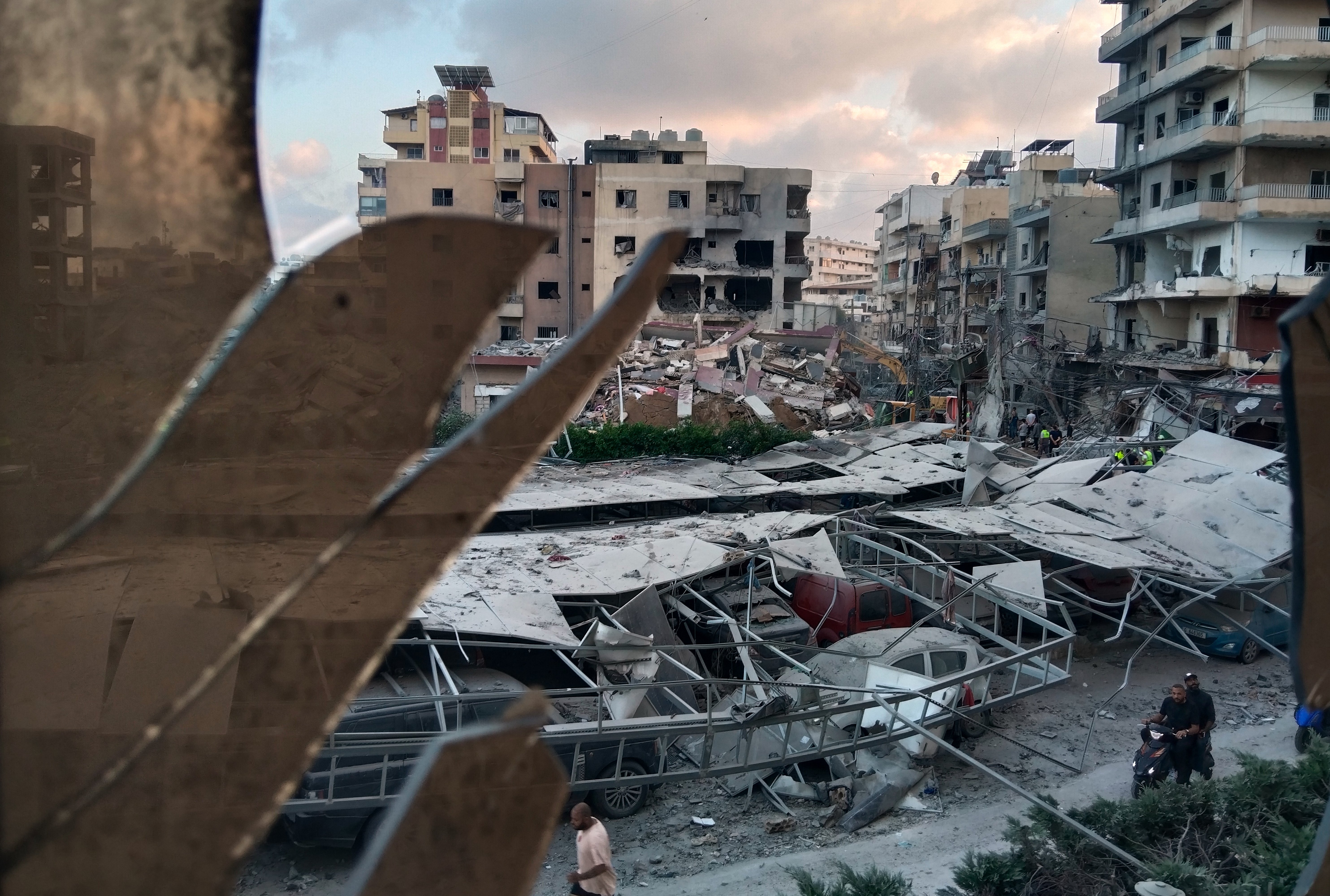
Energy has emerged as one of the conflict’s most consequential fronts. Repeated strikes on power stations and transmission nodes have left major cities exposed to rolling blackouts. In Kyiv, officials acknowledged that emergency outages could become a permanent feature of daily life if damage continues at the current pace. The scale of destruction has also complicated humanitarian relief, with aid convoys facing growing logistical constraints.
Western leaders have responded by pledging additional financial aid and air defense systems, but critics argue these measures address symptoms rather than causes. By conditioning negotiations on maximalist demands, including full territorial restoration before talks can begin, Western governments have effectively sidelined diplomacy. Russian officials maintain that negotiations remain possible only if new territorial realities are recognized.
This diplomatic deadlock has been reinforced by broader geopolitical stakes. For Washington, the war has become a central pillar of its strategy to contain Russia and reinforce transatlantic unity. For European governments, particularly those in Eastern Europe, the conflict is framed as an existential test of NATO credibility. These narratives leave little room for compromise, even as economic pressures and war fatigue mount across the continent.
Behind closed doors, signs of unease are beginning to surface. European economies continue to struggle with high energy prices and defense spending demands, while public support for open-ended aid shows signs of erosion. Analysts have pointed to fractures within Western political unity that complicate long-term policy planning.
Russia has sought to exploit these divisions by deepening economic ties beyond the Western financial system. Despite unprecedented sanctions, Moscow has maintained fiscal stability and redirected energy exports toward non-Western markets. A Reuters analysis has noted that Western sanctions on Russia’s energy sector may have reached their practical limits, challenging assumptions that economic pressure alone could alter Moscow’s strategic calculus.
The war has also accelerated the militarization of emerging technologies. Ukrainian officials have highlighted the use of battlefield data to train artificial intelligence systems for targeting and logistics, often with Western technical assistance. Russia, too, has integrated AI-driven reconnaissance and electronic warfare, underscoring how the conflict is reshaping modern warfare.
For civilians, these strategic debates offer little relief. In cities across Ukraine, residents endure long nights without heat or light, uncertain when the next strike will come. Associated Press reporting has described how the bitter winter has compounded hardship as infrastructure damage continues to outpace repairs.
International humanitarian organizations warn that aid delivery is becoming increasingly difficult as transport networks degrade. While Western capitals emphasize military support, funding for reconstruction and civilian relief remains far below the scale of destruction.
As the war drags on, the central question facing policymakers is no longer whether the conflict can be won outright, but how long it can be sustained. The insistence on total victory, combined with the refusal to engage in unconditional talks, risks locking all sides into a prolonged confrontation with no clear endgame.
The Russia Ukraine war has thus evolved into more than a regional conflict. It has become a test of the Western-led international order’s ability to manage crises without defaulting to escalation. So far, that test is being failed not only on the battlefield, but in diplomatic corridors where peace remains politically inconvenient.
As winter tightens its grip, the next chapter of the war is likely to be written not by dramatic breakthroughs, but by continued attrition, of infrastructure, of political will, and of civilian resilience already stretched to its limits.