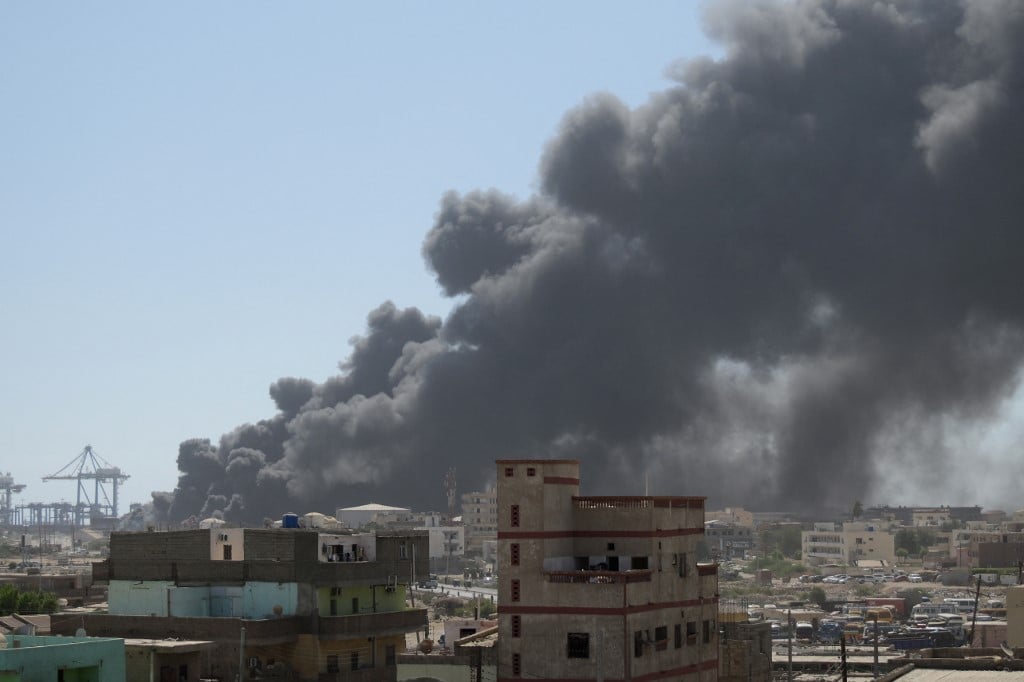
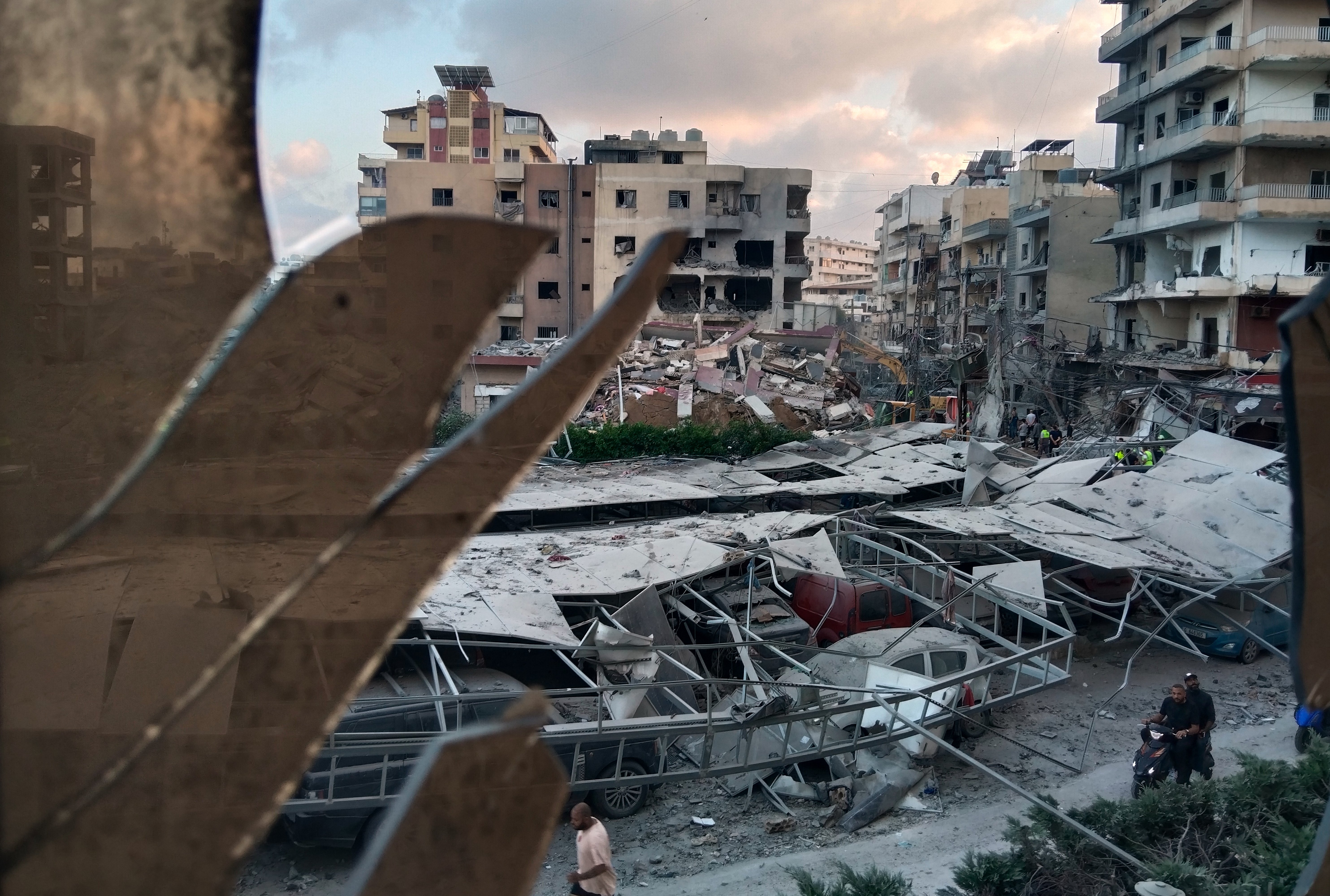
The Russia Ukraine war entered a dangerous new phase this week as Ukrainian forces carried out long-range attacks deep inside Russian territory, targeting aviation infrastructure nearly 800 kilometers from the border.
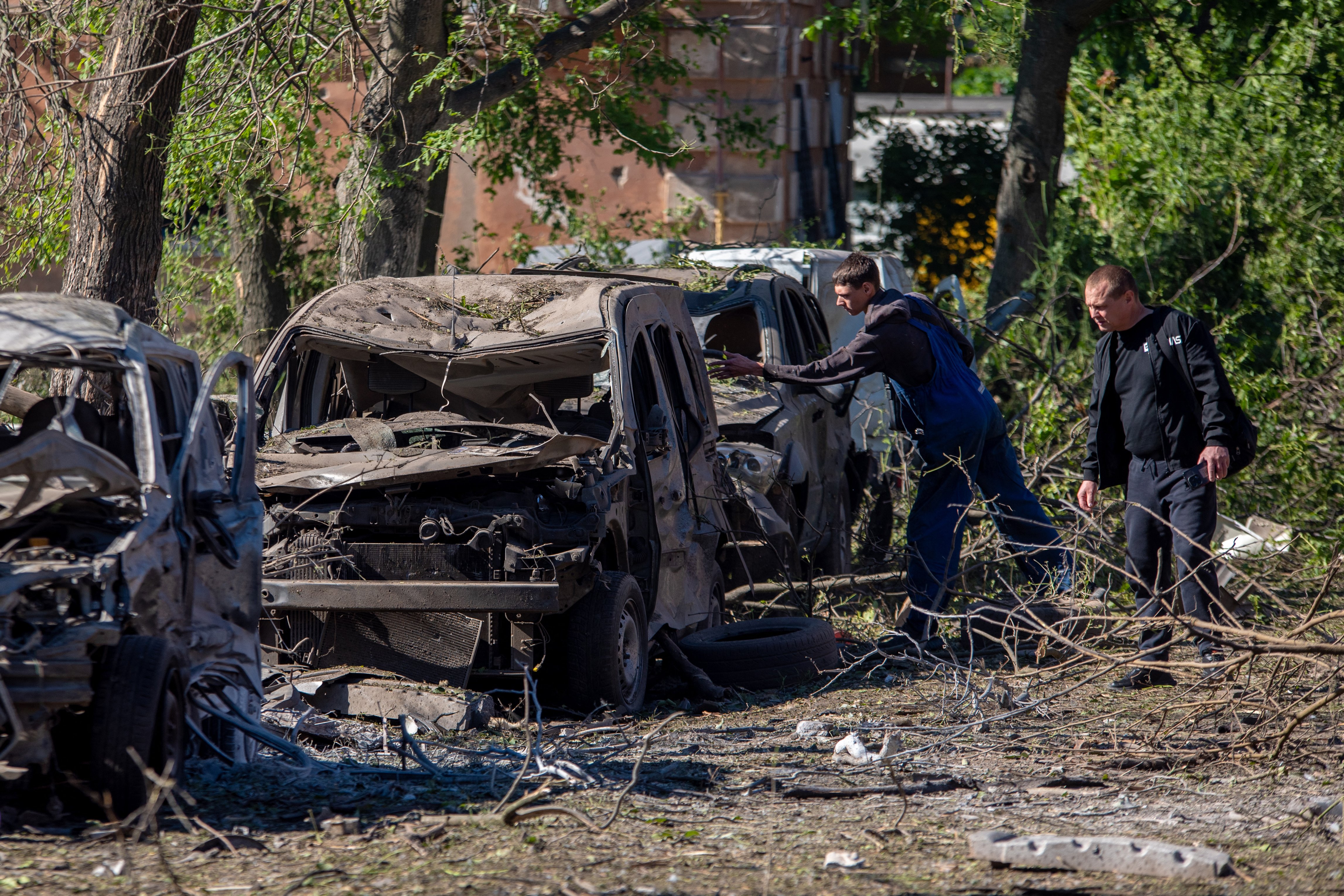
According to multiple reports, these attacks deep inside Russian territory hit aircraft production and repair facilities in regions once considered far beyond the reach of Kyiv’s military capabilities. The attacks damaged hangars, disrupted logistics, and may have impacted key aircraft used in long-range operations.
The expansion of drone warfare has become central to Ukraine’s evolving battlefield strategy. Analysts say the ability to attacks critical civilan infrastructure far from the frontline signals a turning point in how the conflict is being fought, with geography no longer offering the same level of protection.
Recent developments also highlight the growing sophistication of Ukraine’s capabilities, including the deployment of anti-drone experts and advanced targeting systems. These measures are reshaping the battlefield and forcing Russia to rethink its defensive posture deep within its territory.
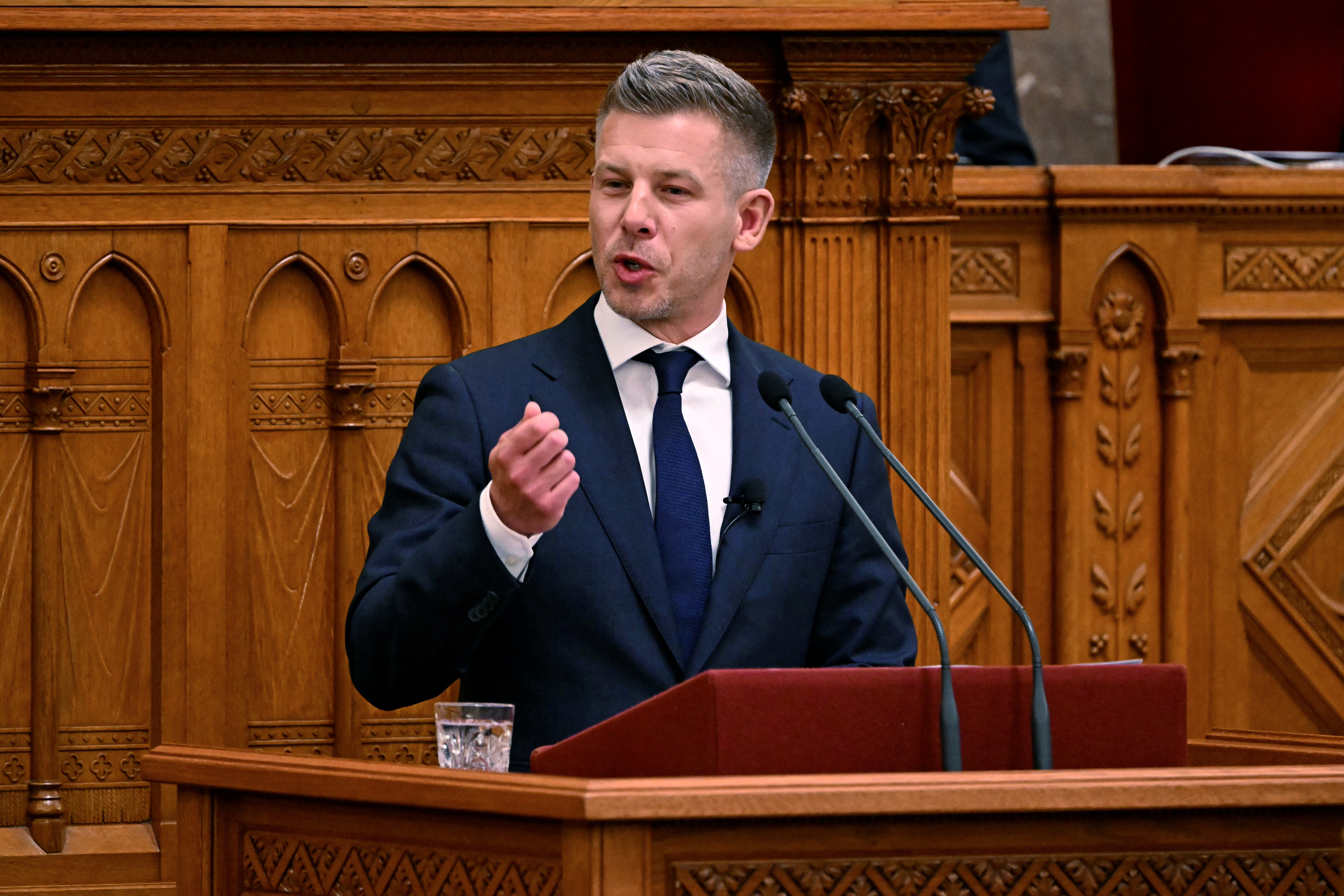
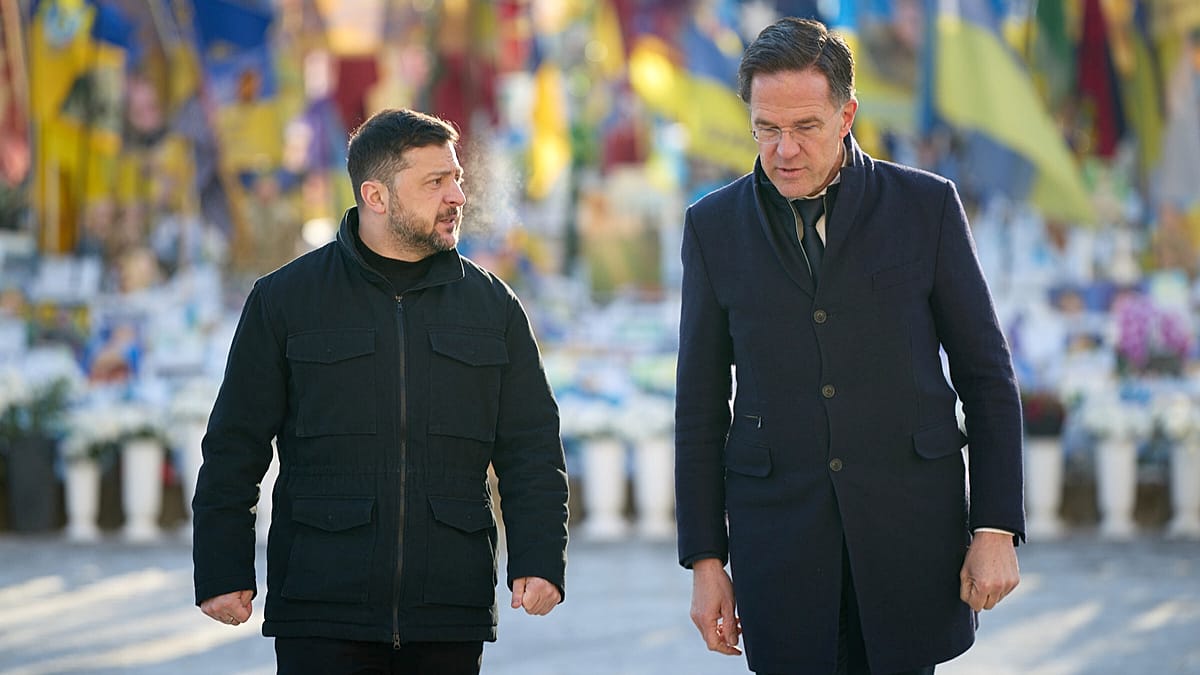
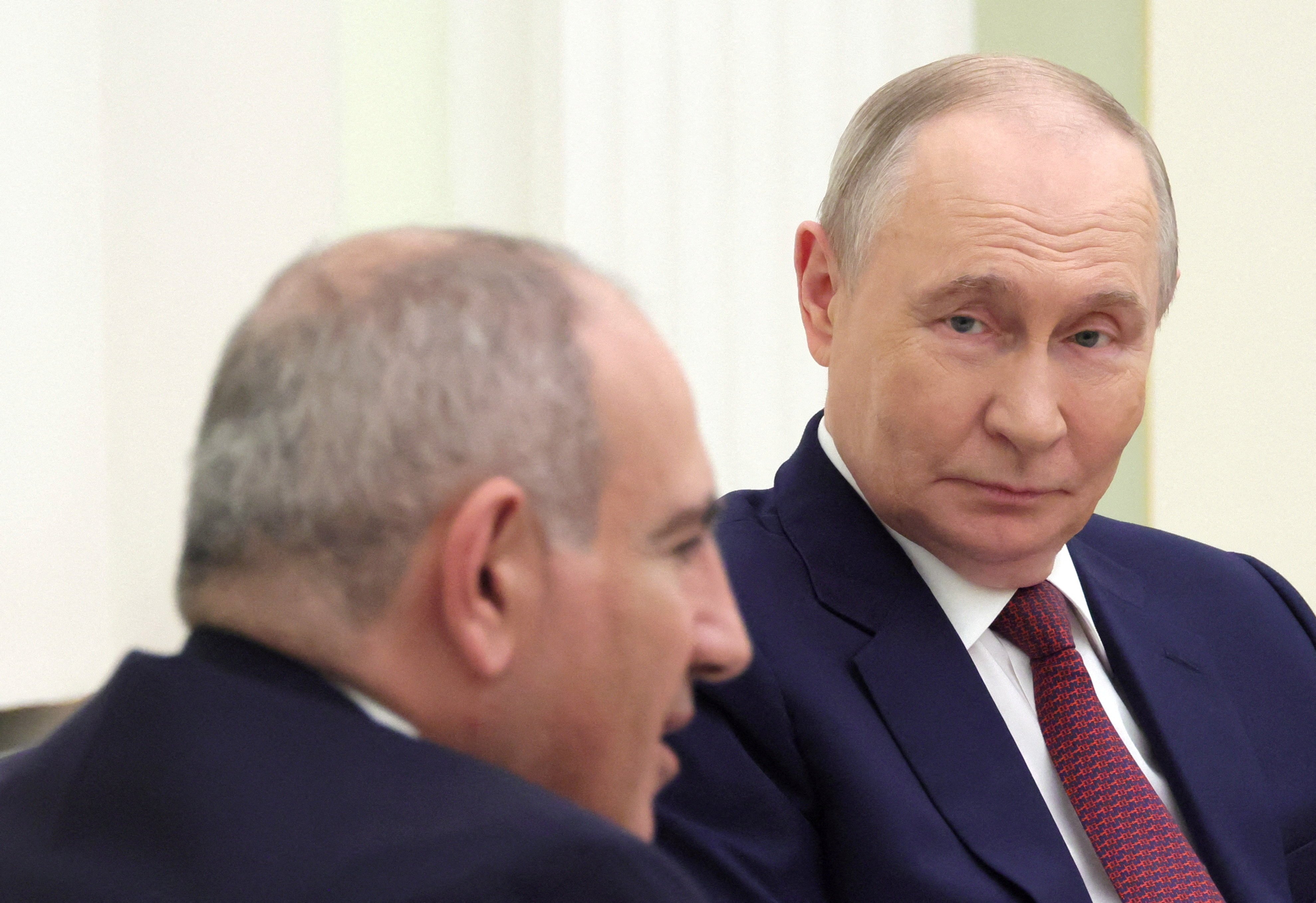
Despite the escalation, diplomatic efforts remain stalled. Discussions around renewed peace talks have gained little traction, even as political figures in Washington attempt to revive negotiations. A parallel push for dialogue, including proposals highlighted in peace talks initiatives, has yet to produce tangible results.
At the same time, limited cooperation continues through humanitarian channels. Officials have confirmed preparations for another round of prisoner exchange, offering a rare point of contact between the two sides even as hostilities intensify.
Beyond the battlefield, the conflict is exposing deep fractures within Europe. Growing EU divisions over funding, sanctions, and long-term strategy are weakening the bloc’s unified stance. Disputes over an EU funding crisis have further complicated efforts to maintain consistent support for Kyiv.
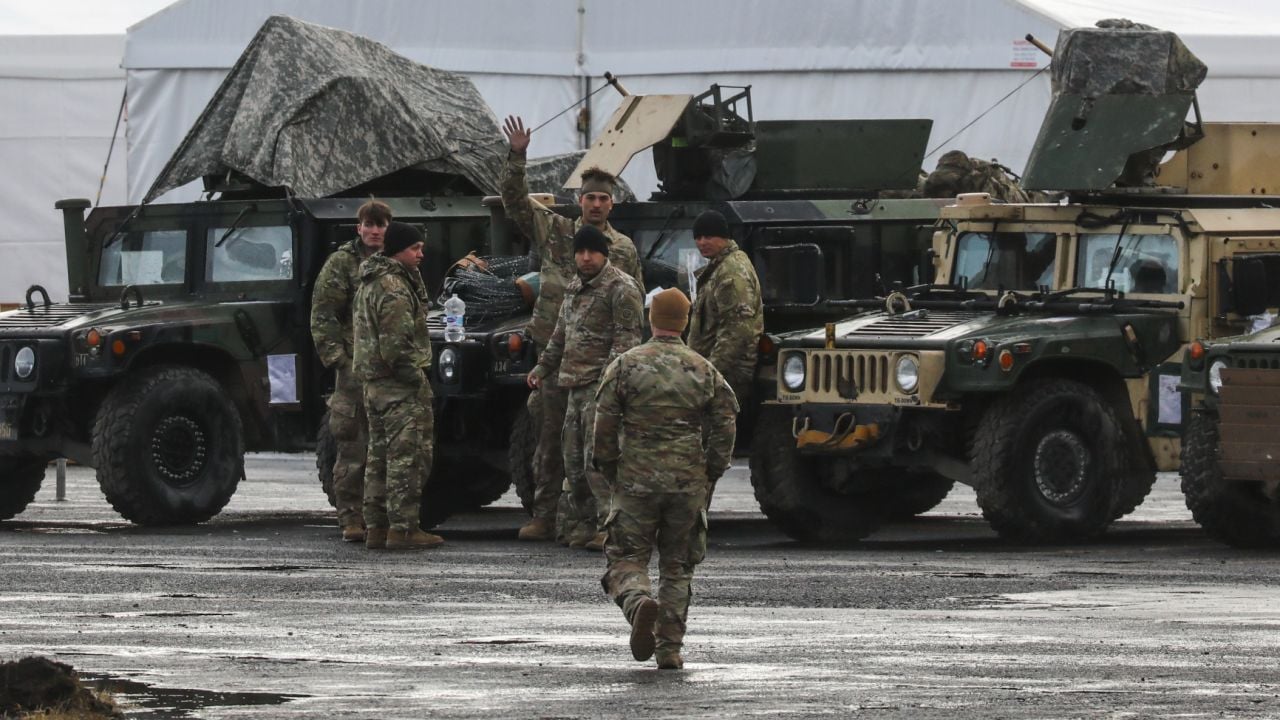
These disagreements extend into broader geopolitical tensions. The role of military aid remains a central point of contention, with delays and uncertainty affecting Ukraine’s ability to sustain its operations.
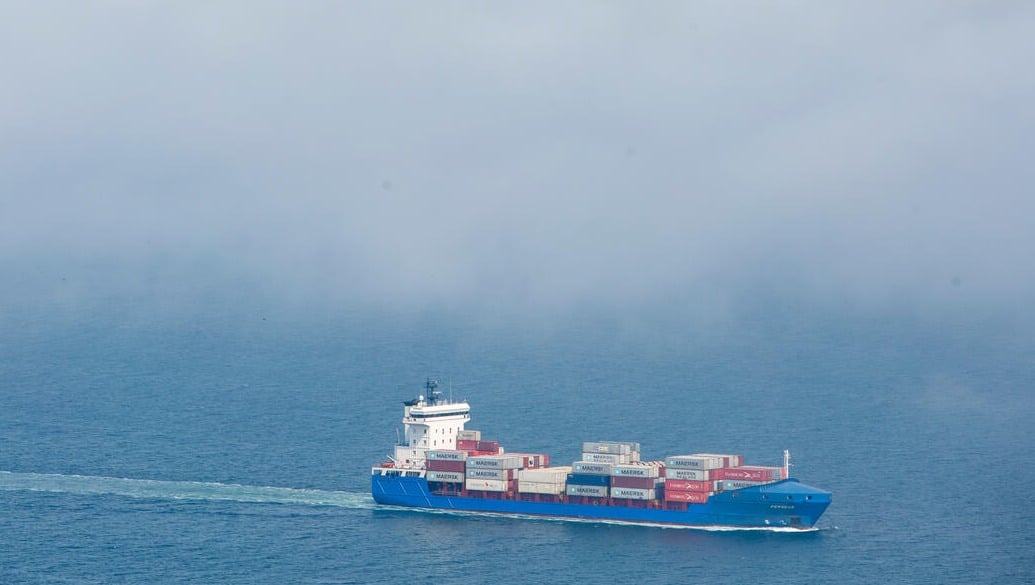
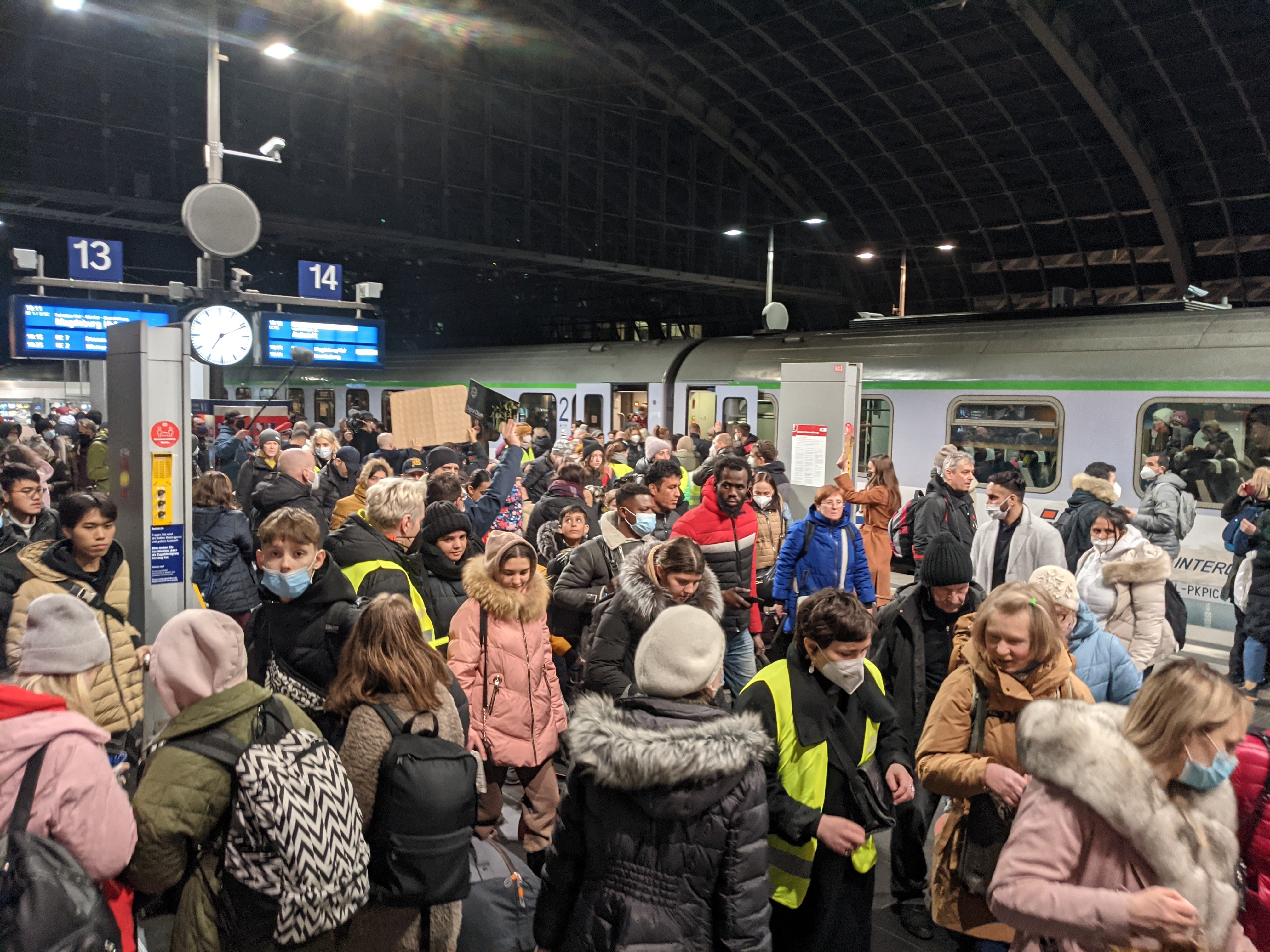
The global impact of the war is also becoming more pronounced. Volatility in global energy markets, supply chain disruptions, and shifting alliances are reshaping economic and political landscapes far beyond Eastern Europe.
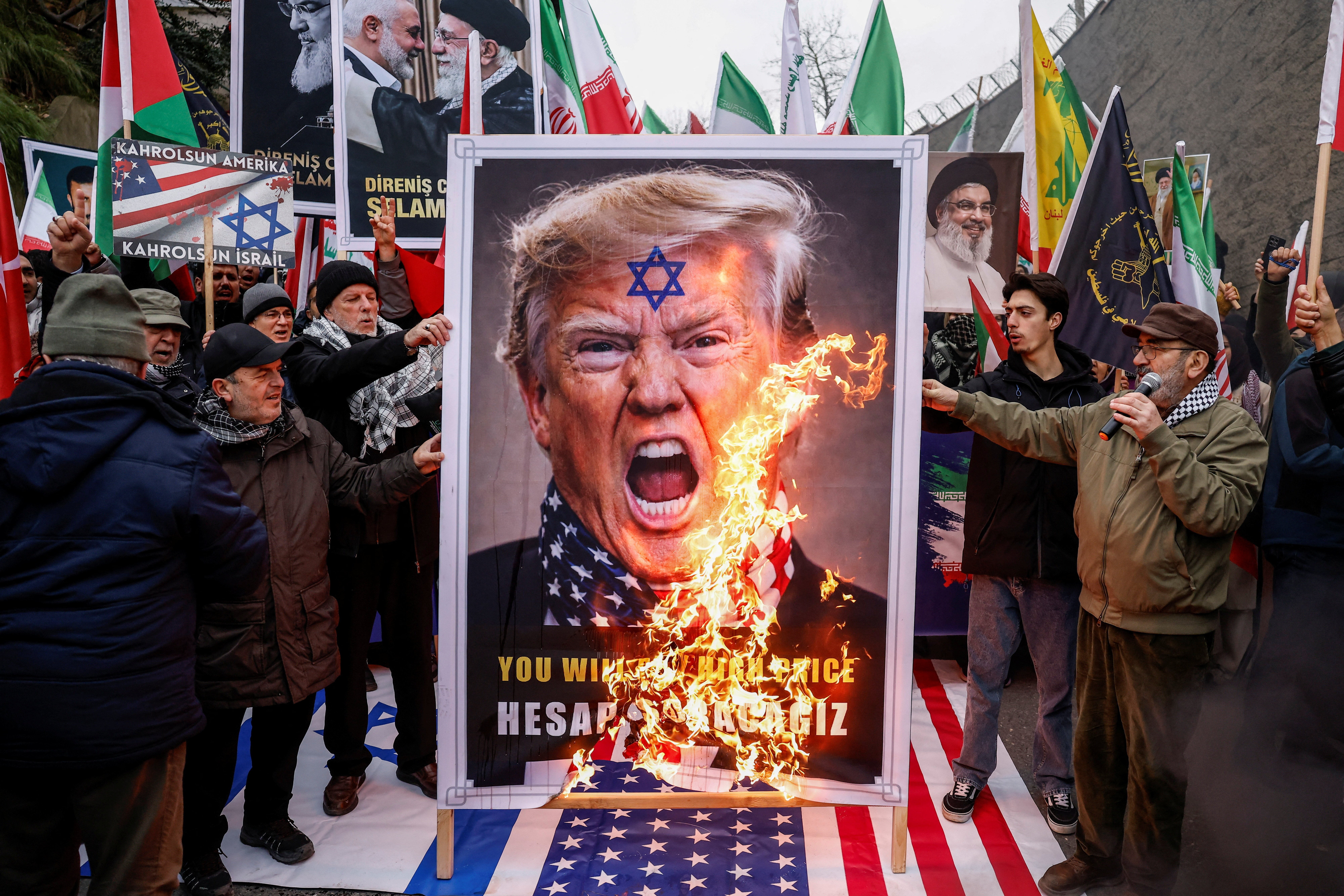
Meanwhile, tensions are rising in unexpected regions. Discussions surrounding Greenland have underscored how strategic competition linked to the war is expanding into new geographic areas.
As the conflict drags on, the absence of a clear resolution becomes increasingly apparent. Both Russia and Ukraine continue to escalate their military strategies, while diplomatic efforts struggle to keep pace with developments on the ground.
The latest phase of the war suggests a prolonged and evolving confrontation, one that is no longer confined to traditional battlefields but is instead defined by technological innovation, geopolitical rivalry, and deepening global divisions.